2013-08-14 · Paper · Science Translational Medicine 5(198)
A theoretically based index of consciousness independent of sensory processing and behavior (PCI)
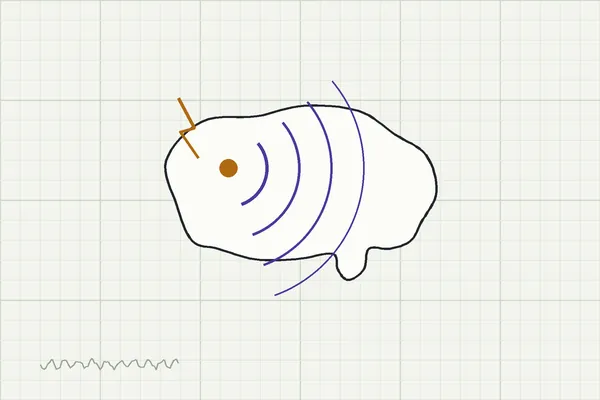
The paper that introduced the perturbational complexity index: tap the brain with a magnetic pulse and measure how complex the echo is.
If a brain is both well connected and varied, a magnetic pulse should set off a rich, hard-to-compress pattern of activity. The score built on that idea separated wake from deep sleep and anaesthesia in single people, and tracked recovery in patients emerging from coma.
TMS-evoked EEG responses compressed (Lempel-Ziv) after source modelling and binarisation. Tested in wake, dreaming, NREM sleep, midazolam, xenon and propofol sedation, and in vegetative, minimally conscious and locked-in patients; discriminated level of consciousness in single individuals.
What we do with it
The measure every spontaneous-EEG candidate is judged against. Planned
Read the original. Source checked against the original.